The way patients experience healthcare is undergoing a quiet revolution. With the growth of telemedicine, remote patient monitoring and integrated virtual healthcare services, clinical expertise is moving beyond hospital walls and entering homes, workplaces and even mobile phones. This shift does not replace traditional care; instead, it enhances it, making health support more accessible, continuous and personalised for every patient.
What telemedicine really means for patients
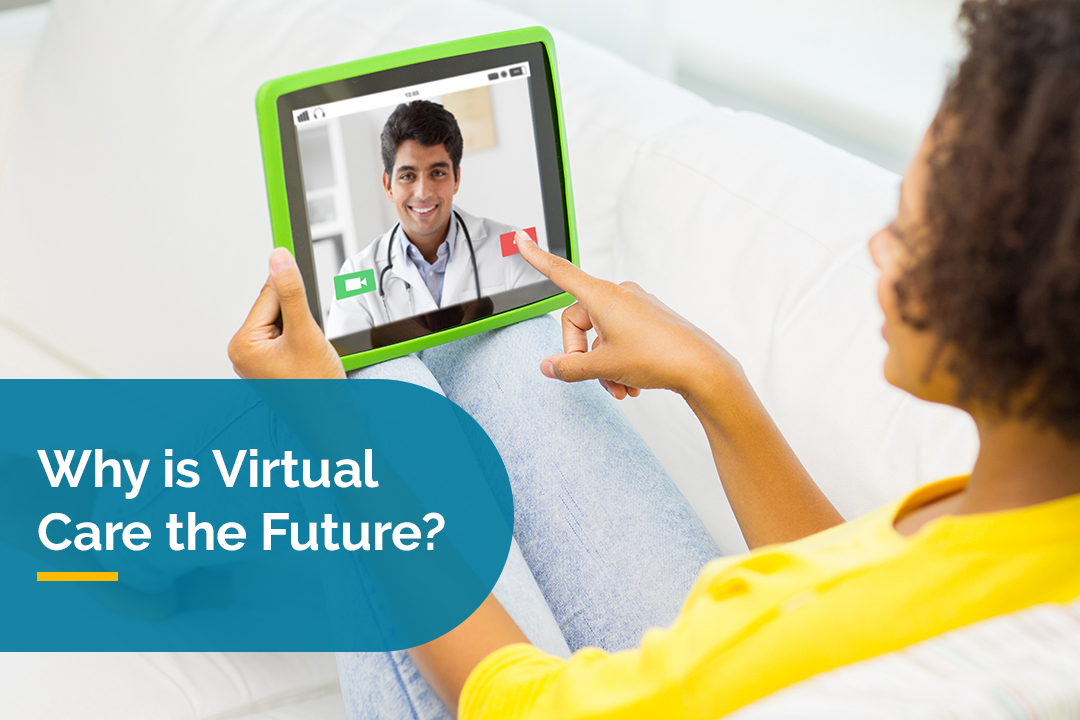
At its core, telemedicine uses secure digital tools to connect patients and clinicians when they are in different locations. Instead of waiting weeks for an appointment and travelling long distances, a patient can now speak with a qualified doctor via video, audio or chat from a smartphone or laptop. For someone living in a small town or a remote village, this means quicker access to specialists who may otherwise be available only in large cities. Faster access almost always translates into earlier diagnosis, timely treatment changes and fewer complications.
Teleconsultations also simplify the journey for patients who struggle with mobility, caregiving responsibilities or demanding work schedules. Rather than losing a full day to visit a hospital, they can schedule an online appointment during a break, upload previous prescriptions or reports, and receive e‑prescriptions in minutes. This reduction in travel time, waiting room stress and out‑of‑pocket expenses makes care more affordable and patient‑friendly, especially for those who need frequent follow‑ups.
Building continuity of care through digital touchpoints
For chronic conditions such as diabetes, hypertension, asthma, heart failure or kidney disease, care is not a single event but a long-term relationship. Telemedicine strengthens this relationship by making follow‑up visits easier and more consistent. Patients can share home readings, discuss side effects, clarify doubts about diet or lifestyle and adjust medications, all without stepping inside a hospital. These short, focused virtual reviews often prevent the gradual deterioration that leads to emergencies and admissions.
When virtual healthcare services integrate digital health records, doctors gain a clear, longitudinal view of the patient’s journey. Previous prescriptions, lab values, imaging reports and symptom notes sit in one secure profile instead of being scattered in files or on different apps. This helps clinicians track trends over time such as rising blood pressure or fluctuating sugar levels and intervene earlier. For the patient, it means not having to repeat their entire history at every visit or worry about misplacing important reports.
Remote patient monitoring: extending care into the home
One of the most powerful extensions of telemedicine is remote patient monitoring. Here, connected devices such as digital blood pressure monitors, glucometers, pulse oximeters, weight scales or ECG patches send health data from the patient’s home to the care team in near real time. Instead of seeing static numbers at widely spaced clinic visits, clinicians can view patterns and alerts generated from everyday life.
This continuous stream of information allows care teams to spot early warning signs: a gradual rise in weight in a heart‑failure patient, worsening oxygen levels in a respiratory case, or erratic glucose readings in a person with diabetes. When such changes are flagged quickly, the team can modify medicines, schedule a virtual review or arrange a timely in‑person visit before the situation escalates. The result is fewer emergency admissions, shorter hospital stays and better quality of life.
For patients recovering after surgery or serious illness, remote patient monitoring brings reassurance. Instead of feeling “on their own” once they leave the hospital, they know that someone is still keeping an eye on their vitals and symptoms. Families gain confidence, and clinicians can safely discharge patients earlier, knowing that any deterioration will be picked up promptly.
Safer, smarter virtual healthcare services
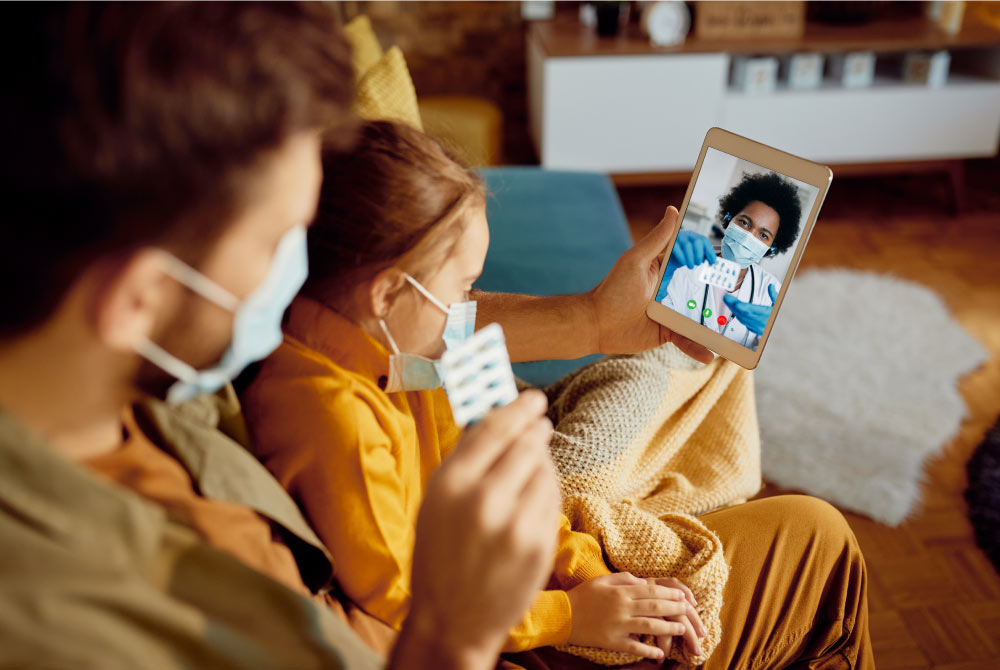
The COVID‑19 pandemic demonstrated how vital virtual healthcare services can be in protecting both patients and healthcare workers. By handling initial triage, symptom reviews and many follow‑ups online, telemedicine platforms reduced crowding in hospitals and minimised exposure risks. Even beyond pandemic situations, this digital triage remains valuable. Mild cases can be managed at home with guidance, while those with red‑flag symptoms are advised to seek immediate in‑person care, ensuring that emergency departments focus on those who truly need them.
Virtual platforms also make multidisciplinary care easier to coordinate. A patient with complex needs, say, diabetes with heart disease and kidney issues may require input from multiple specialists. Through shared digital records and scheduled e‑meetings, different experts can review the same data set, discuss options and create a unified plan without everyone being physically in the same room. For the patient, this means clearer guidance, fewer conflicting instructions and a sense that the entire team is working in sync.
Putting patients at the centre of care
Ultimately, the promise of telemedicine, remote patient monitoring and virtual healthcare services is not only about technology; it is about redesigning care around patients’ real lives. When access is faster, information is continuous and communication is easier, people are more likely to stay engaged with their treatment and make informed decisions. Hospitals can reserve physical resources for cases that truly need in‑person attention, while stable patients are safely supported at home.
As connectivity improves and digital literacy spreads, these models will keep evolving integrating AI‑driven decision support, personalised reminders and even more intuitive home devices. Yet the core idea will remain simple: healthcare should reach patients wherever they are, not the other way around. Telemedicine is the bridge that makes this vision real, improving patient care one virtual interaction at a time.