The healthcare landscape is evolving rapidly, shaped by technological innovation and shifting patient expectations. One of the most meaningful advances in recent years is the widespread adoption of remote monitoring for chronic conditions particularly those affecting heart health. Continuous at-home tracking of blood pressure and cholesterol levels, combined with telehealth consultations, has become a key pillar of modern cardiac care. This approach offers patients greater convenience, timely medical support, and improved long-term outcomes.
The Role of Remote Blood Pressure Monitoring
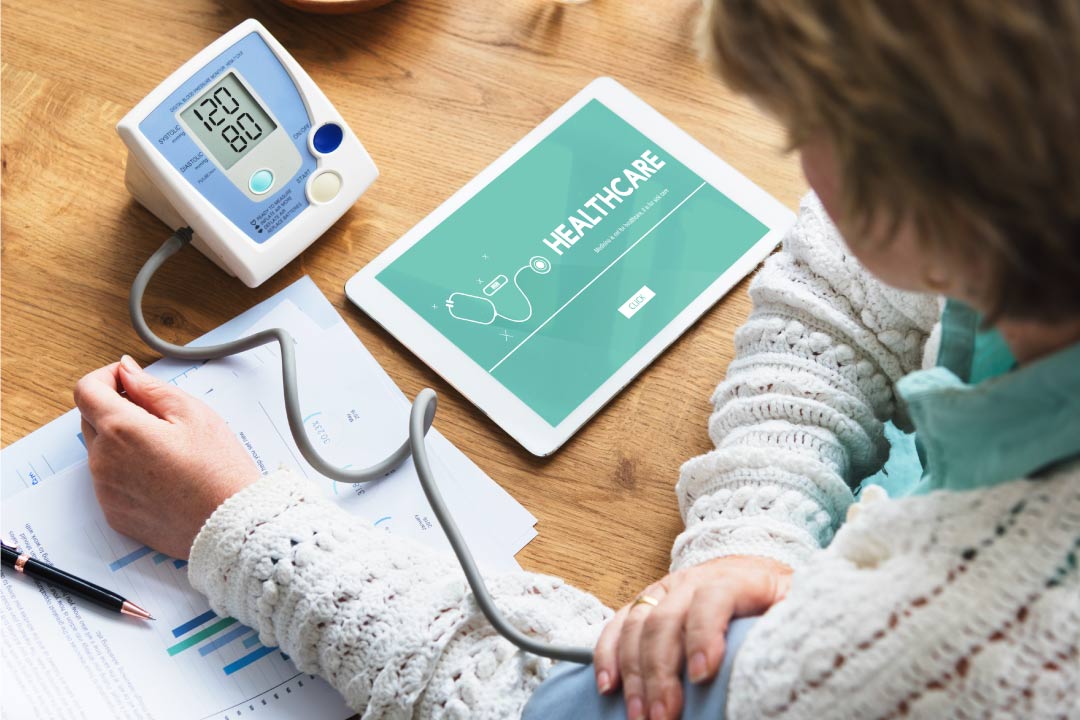
Remote blood pressure monitoring enables patients to check their readings from home using smart, connected devices that automatically share data with healthcare teams through secure digital platforms. By eliminating the need for frequent office visits, this model makes hypertension management more practical, especially for patients with mobility challenges or busy schedules.
For clinicians, remote access to ongoing blood pressure data provides valuable insight. Subtle changes in weekly trends can reveal early signs of complications or indicate when treatment adjustments are needed. Patients, in turn, gain a clearer understanding of their own health, receive immediate feedback, and stay more engaged with lifestyle recommendations.
On a broader scale, this approach helps reduce preventable hospitalizations and emergency visits. Recent estimates suggest that by 2025, around 71 million Americans over one in four will use some form of remote patient monitoring, with cardiac care representing a significant share. The benefits are particularly strong for older adults and people living in rural or underserved areas, where access to specialists can be limited.
Telehealth Lipid Monitoring: A New Era in Cholesterol Management
Managing cholesterol effectively is fundamental to preventing heart disease. Telehealth has revolutionized this process through remote lipid monitoring, which allows patients to complete lab work locally, share results electronically, and receive tailored medical advice on medication and nutrition.
Virtual consultations ensure that treatment adjustments happen quickly, especially critical after cardiac events such as heart attacks, when controlling cholesterol is essential to recovery and prevention. Studies consistently show that patients who engage in telemedicine-based lipid management achieve better reductions in LDL and total cholesterol, helping more individuals meet their cardiac health targets.
Virtual Cardiac Care Follow-Ups: Staying Connected for Better Outcomes
Cardiac care doesn’t end with diagnosis or hospital discharge. Consistent follow-up is key to preventing relapse and maintaining optimal heart function. Telehealth follow-ups close this gap by allowing regular check-ins, medication reviews, and progress discussions through secure video or phone appointments.
These virtual visits offer multiple advantages:
- Improved access for patients with limited mobility or tight schedules.
- Higher attendance rates, which directly correlate with better health outcomes.
- Continuous, data-driven care, powered by real-time blood pressure and lipid information.
Healthcare providers can make timely adjustments to therapy and provide lifestyle guidance based on the latest patient data. For patients, having professional support available remotely builds confidence and strengthens their ability to manage chronic conditions independently.
The Growing Impact and Future of Telehealth in Cardiology
The global remote cardiac monitoring market continues to expand rapidly, projected to surpass USD 10.6 billion by 2034. This growth is being driven by breakthroughs in wearable technology, cloud computing, and artificial intelligence all of which help clinicians detect risks earlier and personalize care more effectively.
Hospitals, and tech innovators are investing heavily in these systems, particularly to improve access across the Asia-Pacific region and rural communities worldwide. Telehealth has moved far beyond its early pandemic-era adoption, it is now an essential, long-term component of cardiac care, empowering patients while easing the load on healthcare systems.
The Future of Cardiac Care with Telehealth
Continuous remote monitoring of blood pressure and cholesterol, supported by regular telehealth consultations, is transforming how heart disease is managed. It brings care directly to patients, supports prevention, and leads to better health outcomes across populations. As these tools become more advanced and widely adopted, the future of cardiovascular care will be more connected, proactive, and centered around the individual.