Think about the last time you visited a doctor. The long wait, the travel, the time off work and then maybe a 10-minute consultation. Now imagine getting the same quality of care from your phone, in your own home, without any of that hassle. That’s exactly what telemedicine is doing for millions of people across India and the world right now.
This isn’t a trend. It’s a fundamental shift in how healthcare is being delivered and it’s only getting bigger.
What Telemedicine Actually Means
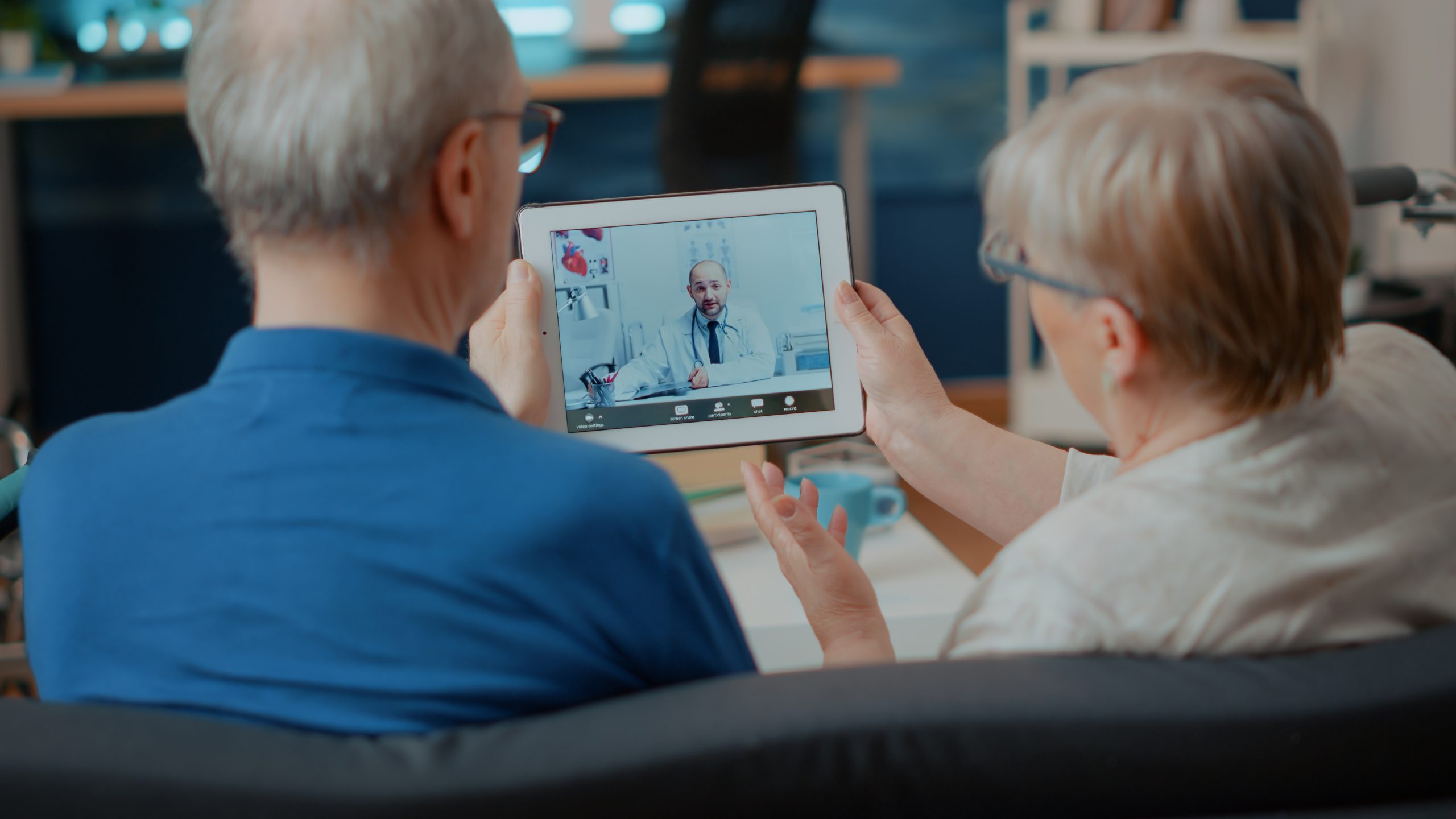
Telemedicine simply means receiving medical care through digital tools video calls, phone consultations, chat, or remote monitoring devices without physically visiting a hospital or clinic. The doctor is qualified. The diagnosis is real. The prescription is valid. The only thing missing is the waiting room.
For someone in a remote village who needs a cardiologist, for a working mother who can’t take a day off, for an elderly person who finds travel exhausting telemedicine isn’t just convenient. It’s genuinely life-changing.
How Telemedicine Improves Patient Care Specifically
This is where it gets interesting. Telemedicine doesn’t just make healthcare more convenient. It actively improves the quality of care patients receive. Here’s how:
Faster access to the right doctor means earlier diagnosis. In traditional healthcare, getting an appointment with a specialist can take weeks. By the time you actually sit across from them, a small problem can become a bigger one. Telemedicine cuts that timeline dramatically. You can speak with a specialist the same day, sometimes within the hour. Early diagnosis almost always means better outcomes.
Continuity of care improves massively. For patients managing chronic conditions diabetes, hypertension, heart disease, kidney problems healthcare isn’t a one-time event. It’s an ongoing relationship. Telemedicine makes it easy to have short, focused follow-up consultations regularly without the burden of physically visiting a hospital every single time. Patients stay connected to their care team, and doctors can track progress over time instead of seeing isolated snapshots.
Health records digitization unifies all these functions into one. The integration of virtual consultations with health records digitization makes it possible for doctors to have full access to a patient’s medical history, including past medications prescribed by specialists, laboratory test results, and other previous diagnostics. All patient documents are stored in a single electronic format without the need for additional paper copies.
Moreover, doctors will always have a chance to make informed decisions on a patient’s condition based on all the information received.
Telemedicine solutions expand the possibilities for healthcare. Remote patient monitoring using connected devices like glucometers, blood pressure meters, pulse oximeters, and electrocardiogram patches helps collect data about patients’ health status. For example, the increase in body mass for a heart patient may indicate fluid accumulation due to deteriorating heart failure. Remote monitoring makes it possible to quickly find this change in body parameters and for the care team to step in before an emergency happens.
Mental health support becomes more accessible. One of the biggest barriers to mental healthcare in India has always been stigma and logistics. Telemedicine removes both. Therapy sessions, psychiatric consultations, and counselling can now happen from the privacy of your own home, making it far more likely that people actually reach out for the help they need.
Where Apollotelehealth Fits Into This Picture
Not all telehealth platforms are created equal. The quality of care depends entirely on who is on the other end of that call.
The Apollo Telehealth platform is built on the Apollo Hospitals network, which is one of the most renowned and trusted healthcare providers in India, and offers a rare advantage that most telehealth platforms cannot match: credibility backed by decades of clinical excellence. Patients who use Apollo Telehealth services can be sure that they will get care from highly qualified specialists from one of the best hospital networks in all of Asia, not just India.
This platform offers a broad range of services, including tele-clinics, tele-cardiology, tele-radiology, tele-emergency, chronic disease management, remote patient monitoring, eICU services, tele-ophthalmology, and even corporate employee wellness programs for organizations. Apollotelehealth is not merely an app for video consultations. It is a comprehensive telehealth infrastructure.
For corporate customers, the Apollo Telehealth program includes an innovative option that allows the companies to ensure health services for employees without losing any working time for them. For governmental organizations, Apollo Telehealth offers its programs for large-scale implementation in different regions such as Himachal Pradesh, Jharkhand, and Uttar Pradesh.
One more thing worth noting: Apollotelehealth is ISO 9001:2015 certified. That’s not a small thing. It means their quality management systems have been independently verified — something that matters a great deal when you’re talking about healthcare.
The COVID-19 Factor and What It Proved
The outbreak did not bring about telemedicine; however, it provided the global community with proof of how effective this service could be under duress. With medical facilities overburdened, and face-to-face consultations posing a health threat in and of itself, virtual medical appointments took center stage. All of the initial assessments, patient symptoms, follow-up sessions, and mental counseling were done over the phone. Crowds in the ERs became smaller. Patient exposure to diseases was significantly mitigated. Mild-to-moderate cases could now receive treatment safely at home.
What the coronavirus proved was that telemedicine was no longer an alternative means of healthcare provision but a legitimate option.
What This Means for Indian Healthcare
The issue of doctor-to-patient ratios in India is widely known. Based on recommendations from the World Health Organization, at least one physician must attend to 1,000 patients. The situation in India is not ideal. For example, the rural population suffers greatly from the lack of medical services. Telemedicine will not help solve this problem immediately, but it allows doctors to reach an incredibly large number of people. A specialist can be based in a city and still provide care to patients across multiple regions and states throughout the day.
Telemedicine also helps to increase preventive medicine. It is now easier to contact a physician because he is available on mobile phones. Therefore, the population is willing to seek medical help as soon as they find themselves ill rather than waiting until their condition worsens.
What the Future Looks Like
home monitoring devices, and digital literacy sweeping through the Indian population, telemedicine will soon offer more services than it does today. Personalized medicine advice, predictive analytics, AI support for radiology – all of this is now incorporated into top-tier telemedicine platforms.
The future of healthcare in India is going to be mixed. Traditional hospitals will deal with complicated surgical procedures, emergency situations, and other critical instances. Telemedicine will take care of the rest – regular checkups, chronic diseases, psychological treatment, post-operative care, and preventative medicine.
Everything will go hand in hand, with digital health records connecting the two streams effortlessly.
Services like Apollotelehealth have all of the tools necessary to implement this future. They have the infrastructure. They have the specialists. They have the technology.
All that remains is to ask patients if they are prepared to use it and with the speed at which they are adopting telemedicine, they are undoubtedly ready.