
The patient makes an appointment, gets stuck in traffic, spends an hour waiting, meets the doctor for five minutes, and then goes home. After this, the person ends up even more tired than when he started his day.
This is precisely why telemedicine services in India have become so popular there’s nothing surprising about it.
What Actually Is Telemedicine?
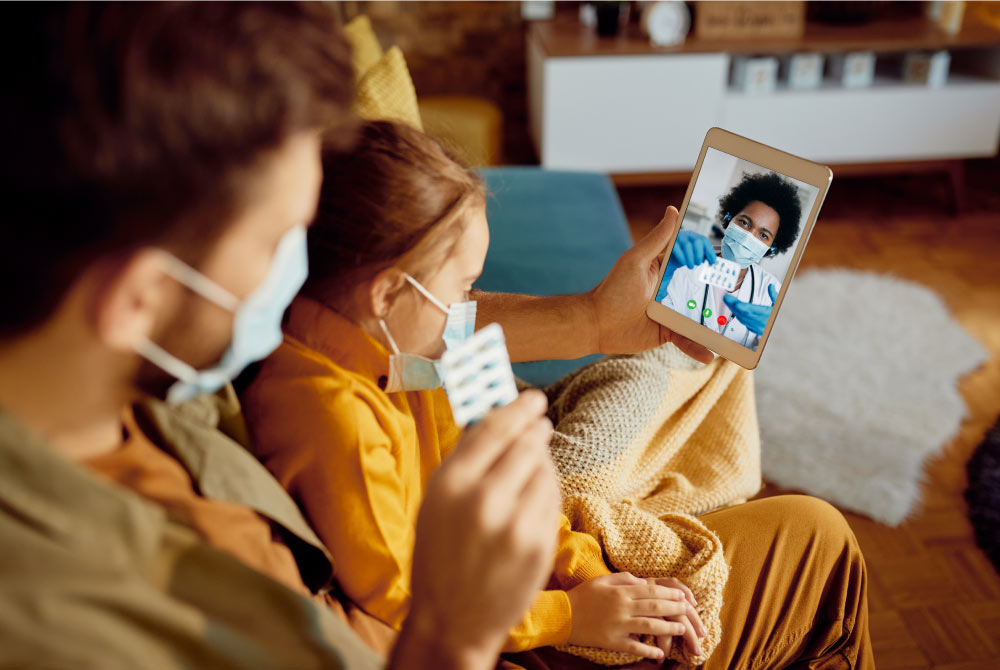
In simple terms, telemedicine is visiting your doctor online, either through a video chat or simply via calls or messaging apps, without actually going to a healthcare facility. You still consult a qualified doctor, receive proper treatment, and usually get a prescription sent to your email.
This method of visiting doctors is not something new around the globe, but it became popular in India after 2020. During the pandemic period, patients simply stopped visiting doctors in clinics and tried visiting them via online services, which turned out to be just as convenient.
Why Indians Are Embracing It So Quickly
India is characterized by a huge healthcare disparity. The population is about 1.4 billion, and the number of doctors is severely lacking, particularly in smaller cities and rural regions. A villager in Uttar Pradesh or someone in a small town in Odisha might not easily access a specialist. However, they most likely have a smartphone.
This is where telemedicine comes in—it helps level the playing field. You do not even have to be close to a large hospital to discuss a good cardiologist or dermatologist any longer.
In the case of urban users, the motives are a little bit different: convenience, time-saving, and avoiding the hassle of visiting a hospital for minor problems, such as a cold, skin rash, or regular check-ups.
Apollo Telehealth: A Name That Keeps Coming Up
Whenever people discuss telemedicine services in India, Apollo Telehealth is a name that consistently comes up. Apollo is a large hospital brand, but they also created something that works.
Apollo Telehealth allows you to talk to specialists in various fields, such as general medicine, pediatrics, gynecology, psychiatry, and others. You can book an appointment, engage in a video session, and receive your prescription online. The site has become a resource for many families when they need help with follow-ups, long-term illnesses like diabetes or high blood pressure, or even mental health issues.
The difference between Apollo Telehealth and other organizations is the factor of trust. When discussing your health with someone on the internet, you want to be certain that you are dealing with a legitimate person. That trust already exists with the network of qualified doctors of Apollo, as well as with decades of the reputation of the brand in Indian healthcare.
They also provide home diagnostics, wellness plans, and health record management so it’s not just a one-time video consultation service; it is more of an all-encompassing digital health experience.
Is it really safe and legal?
Yes. In 2020, the Telemedicine Practice Guidelines were formally introduced in India, allowing doctors to legally consult patients remotely and prescribe medications (under certain limitations on controlled substances). So in case you were concerned that online consultations are not real they are.
What Works, What Doesn’t
Telemedicine is brilliant for:
- Routine check-ups and follow-ups
- Mild illnesses (fever, cold, infections)
- Mental health consultations
- Chronic disease management
- Second opinions
- Skin, hair, and nutrition consultations
It’s not ideal for:
- Emergencies requiring immediate physical care
- Conditions needing physical examination (like a lump you want checked)
- Complex procedures or surgeries
Knowing when to use telemedicine and when to walk into a hospital is the real skill here.
Final Thought
Telemedicine services in India are not a replacement for hospitals they’re a smarter first step. For millions of Indians, it means getting the right advice faster, cheaper, and without the stress of travelling. Platforms like Apollo Telehealth are making quality healthcare more accessible, and that’s genuinely a good thing.
If you haven’t tried a teleconsultation yet, it might be time to give it a shot especially for something that doesn’t require you to leave your house.